NIOSH Patient Handling Safety Guidelines
Patient Transfer Safety Guidelines
#1 WORKFORCE RISK
NIOSH identifies manual patient handling as the single greatest injury risk to the healthcare workforce — with federal research documenting more than 500,000 musculoskeletal-disorder cases a year (NIOSH Pub. No. 2007-131).
THE 35-LB LIMIT
Research applying the Revised NIOSH Lifting Equation sets the safe manual-handling limit at 35 lb — mandated by the U.S. Veterans Health Administration (VHA Directive 1611). Almost every transfer exceeds it.
INTERNATIONAL CONSENSUS
ISO/TR 12296 advises that manual patient handling be avoided where possible, or performed in a low-risk manner, and treats patient body weight itself as a hazard requiring equipment.
A PROFESSION-WIDE STANDARD
The American Nurses Association's Safe Patient Handling & Mobility (SPHM) National Standards call for the elimination of manual patient lifting across U.S. healthcare.
THE WORKFORCE CRISIS
The U.S. Bureau of Labor Statistics projects ~1.9 million healthcare-worker openings annually through 2034. Preventing one disabling back injury preserves about $60,090 in recruitment and retention cost (NSI, 2026).
THE FINANCIAL DRAIN
Manual-handling overexertion drives an estimated $20 billion a year; automated safe-handling programs cut those losses by up to 85% (OSHA Pub. 3279). The average in-hospital injury or fall carries a $62,521 burden (AHRQ).
THE CMS PENALTY
Hospital-acquired pressure injuries are federal "never events." Under the CMS HAC Reduction Program, worst-quartile hospitals face a 1% cut to all Medicare base operating payments.
THE BARIATRIC REALITY
With U.S. adult obesity at 40.3% (CDC), legacy friction-based transfer equipment increasingly fails at exactly the moment it's needed most.
Discover our Compliant and Compatible Models
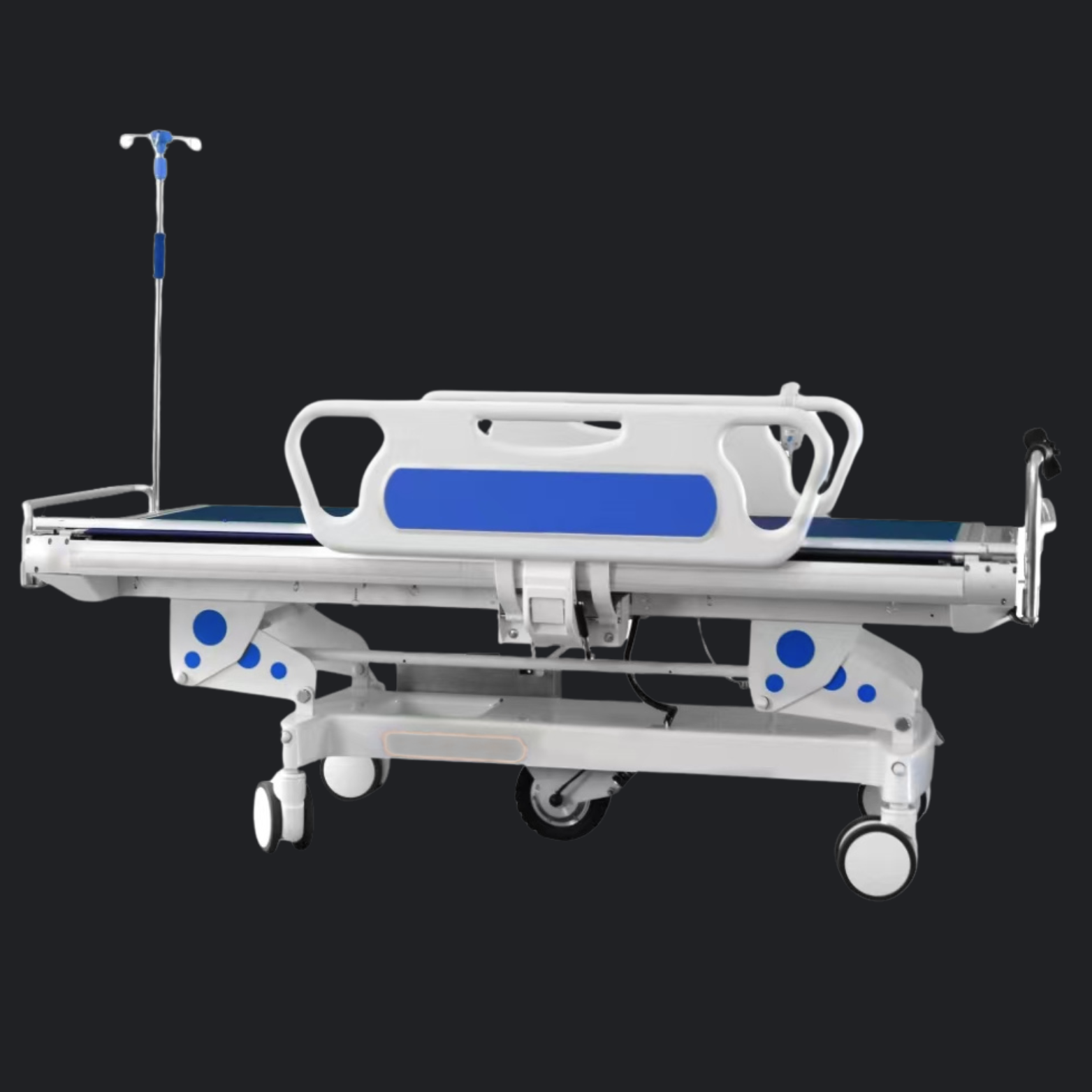


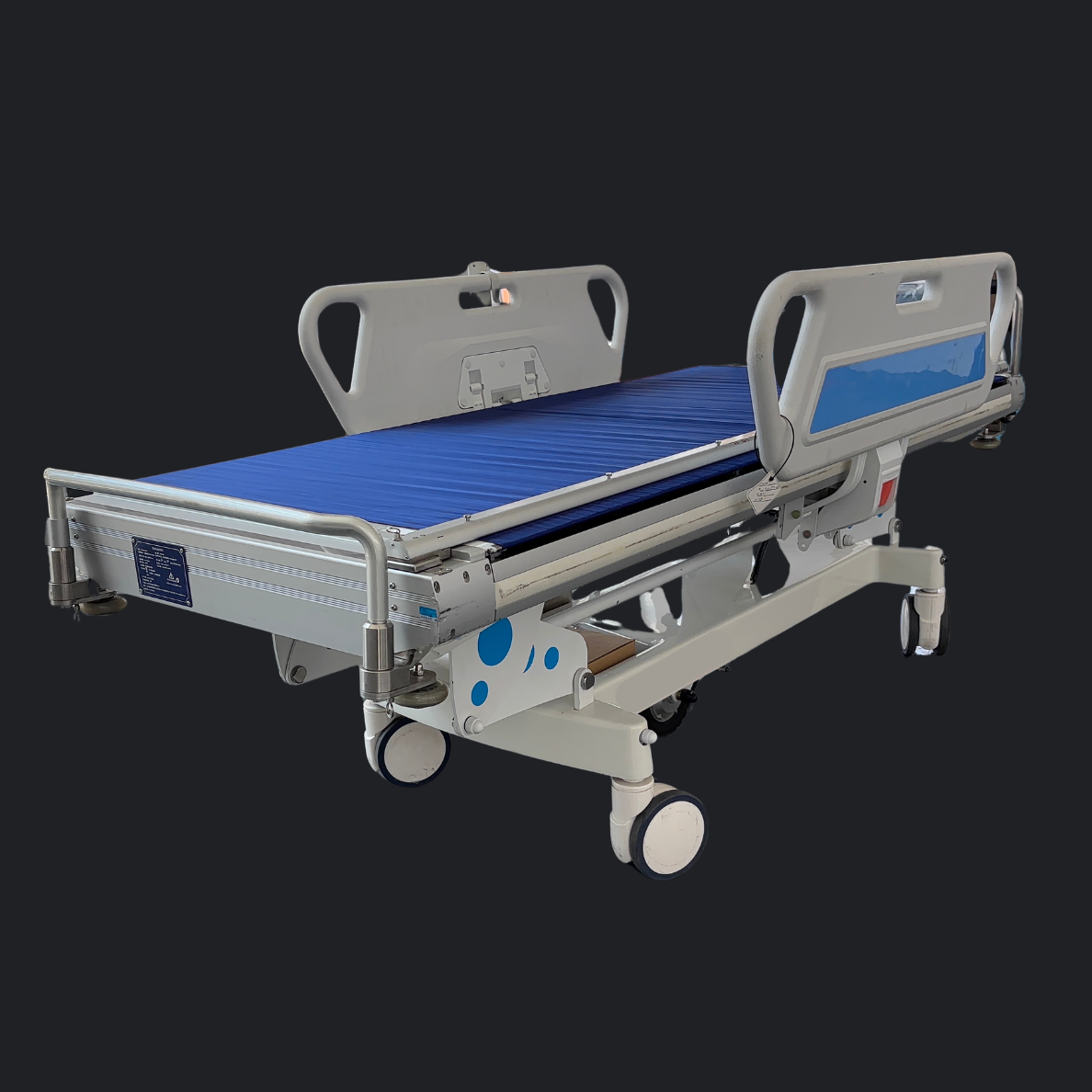
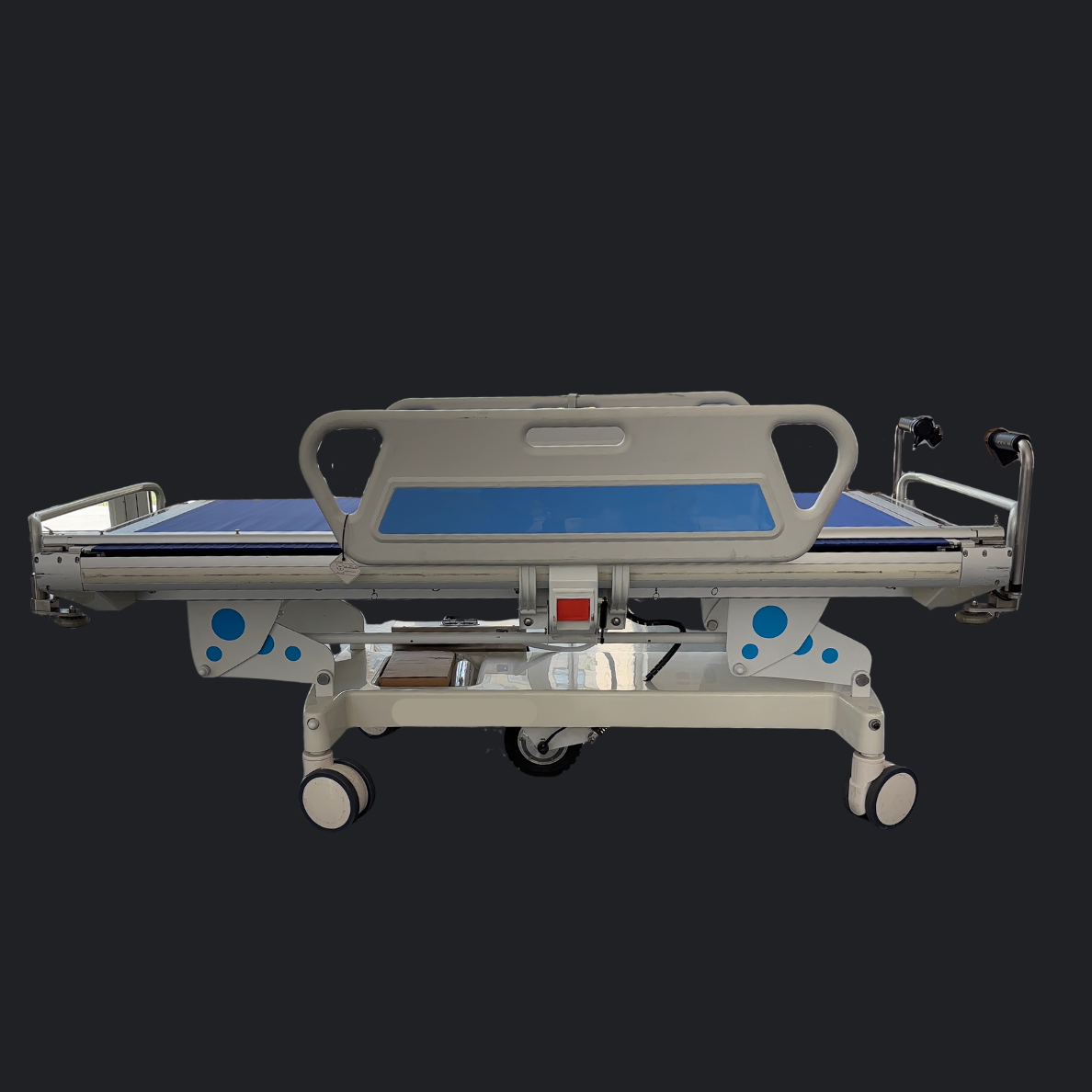
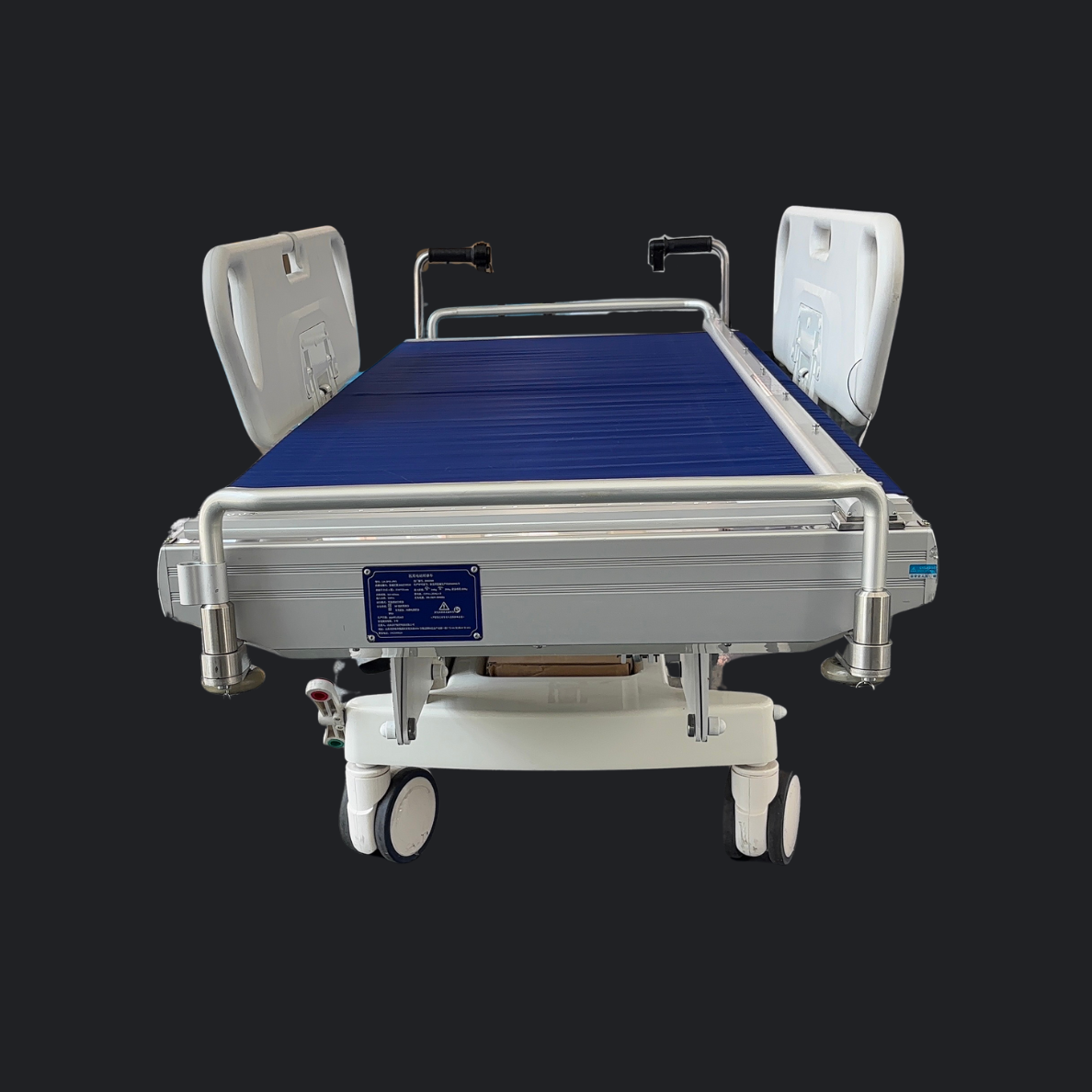
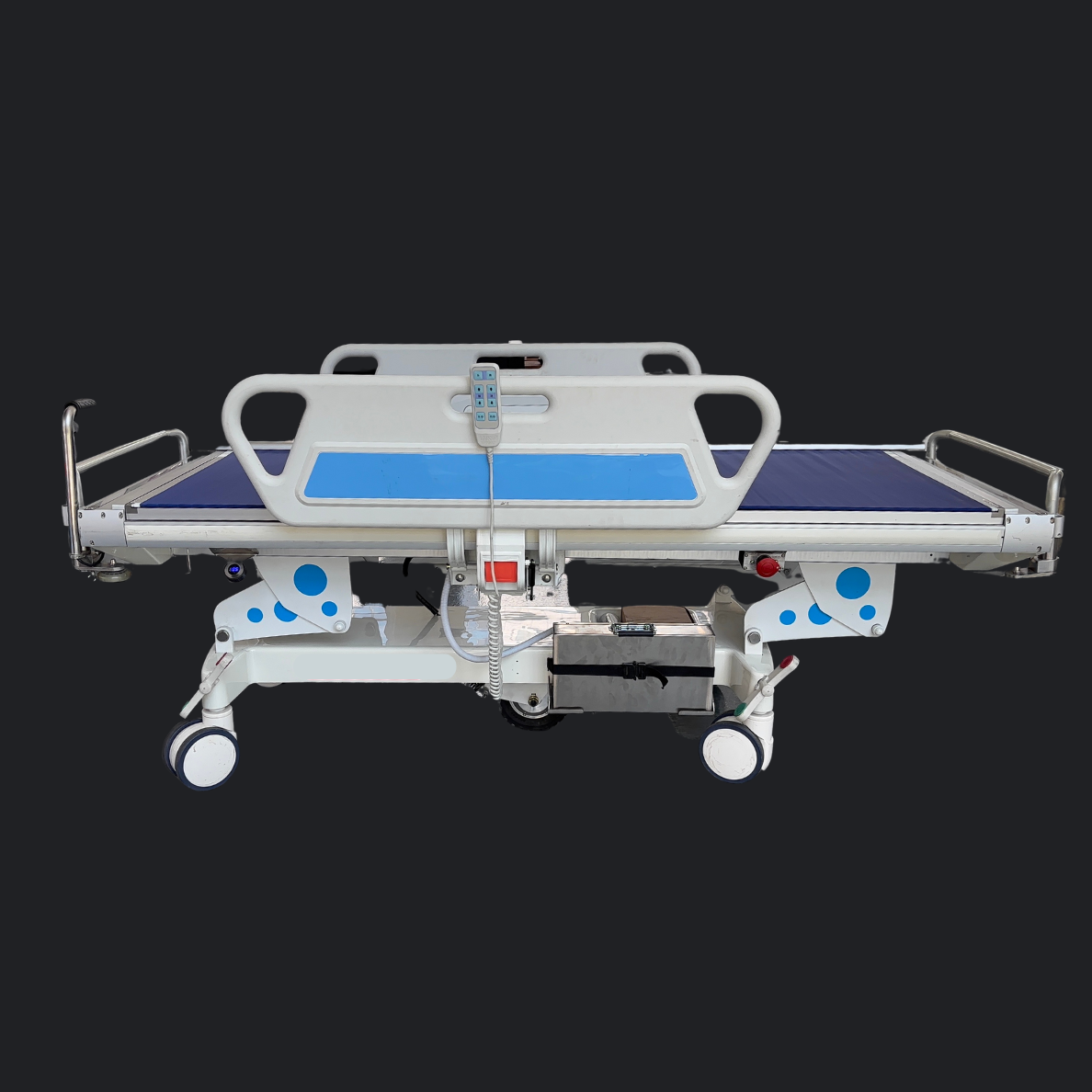
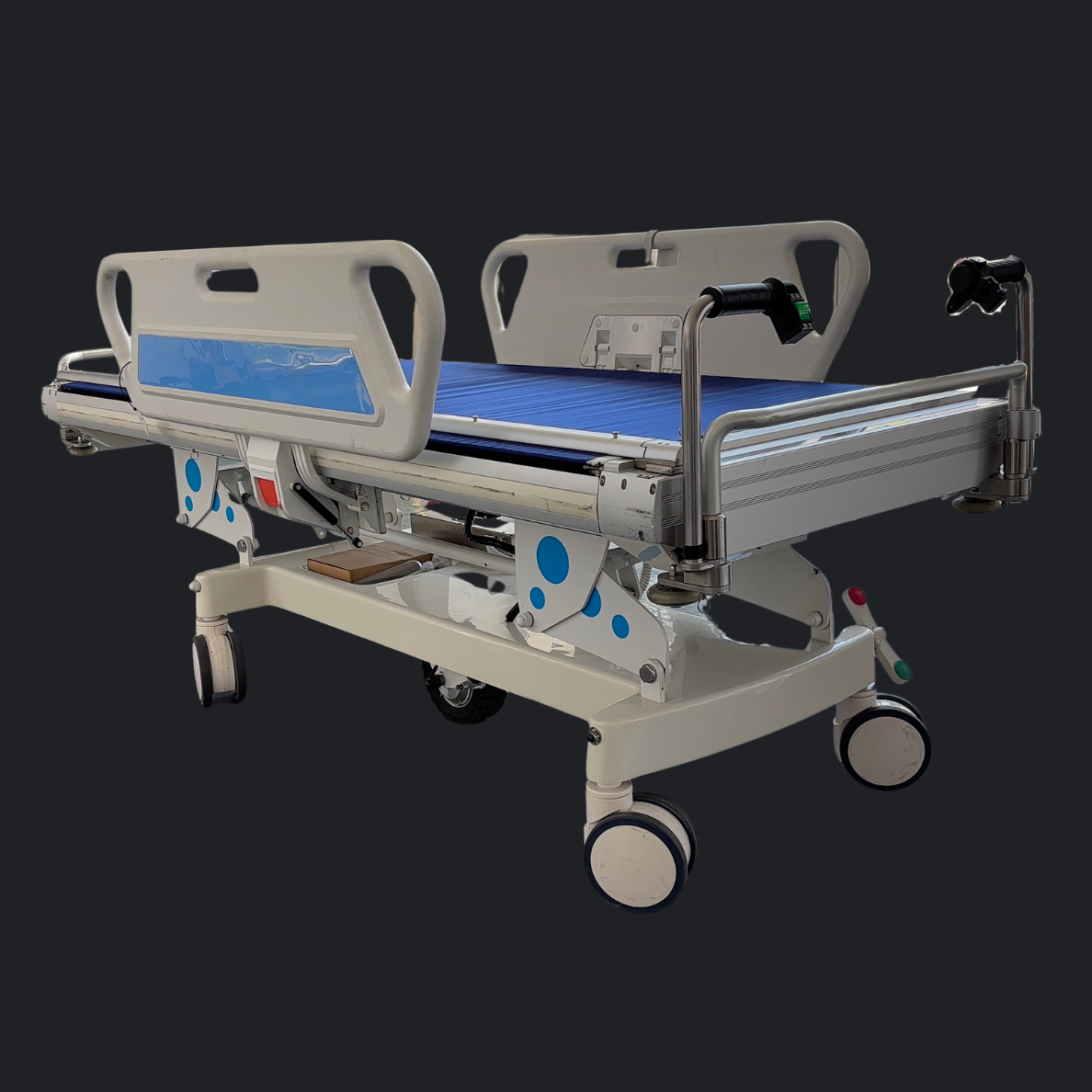
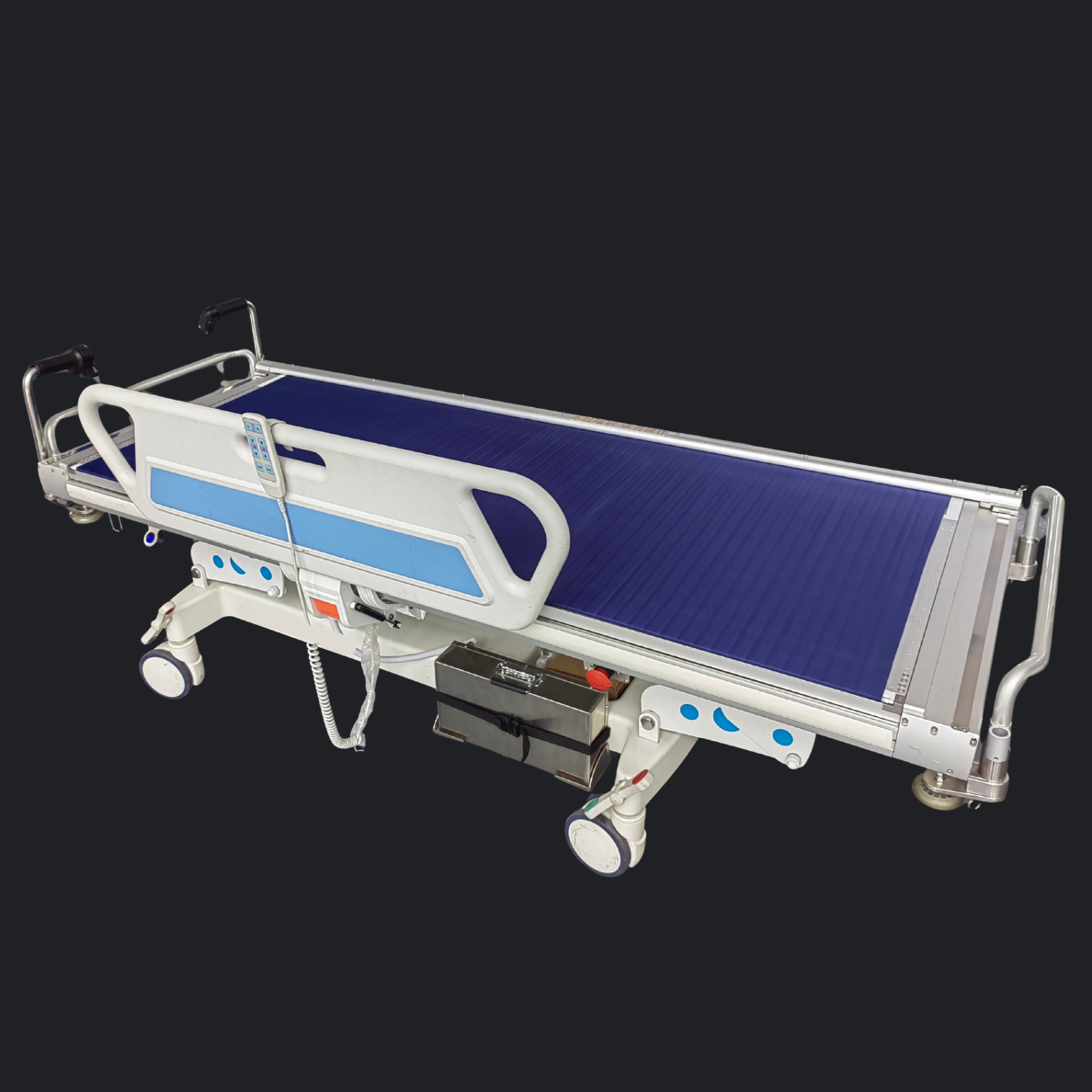
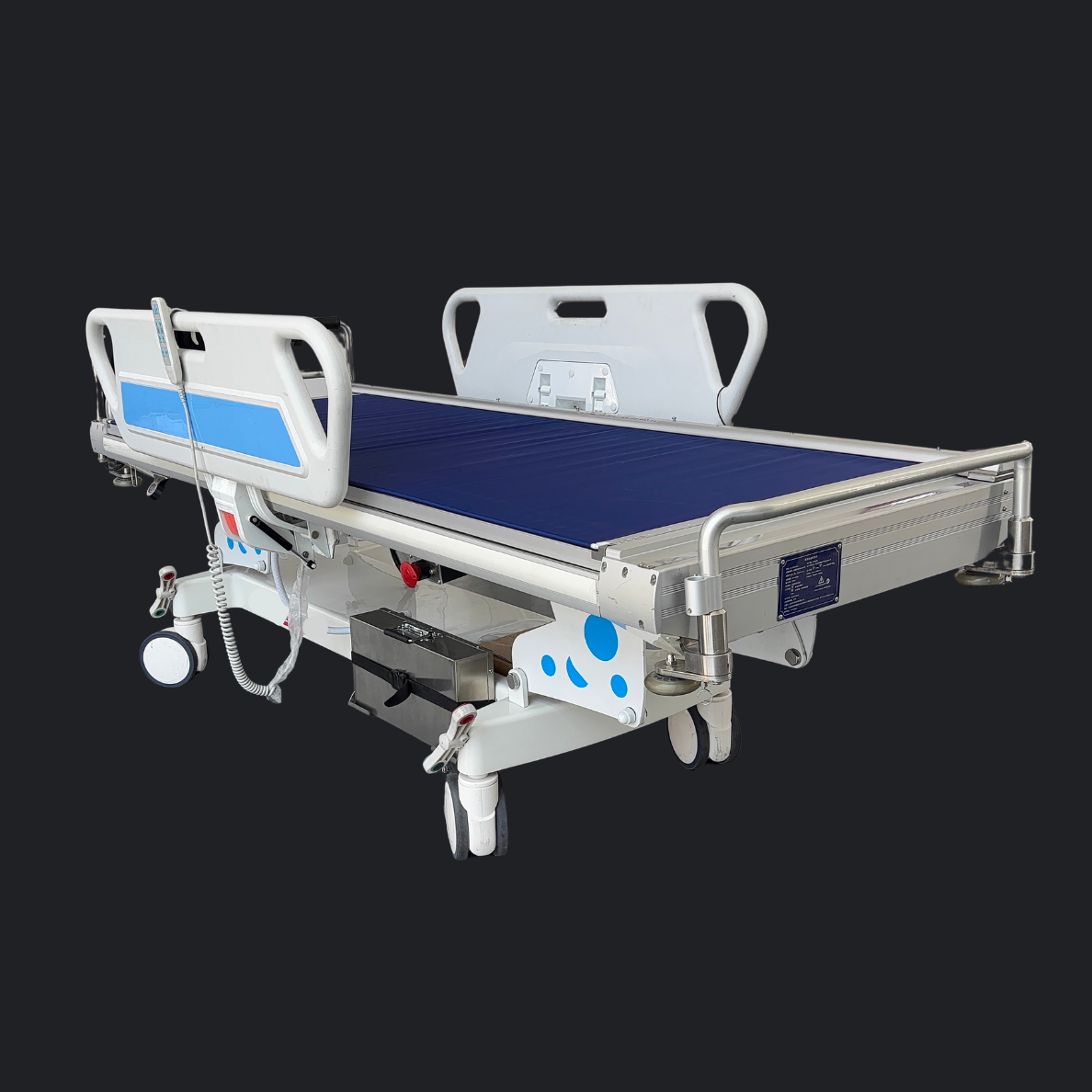
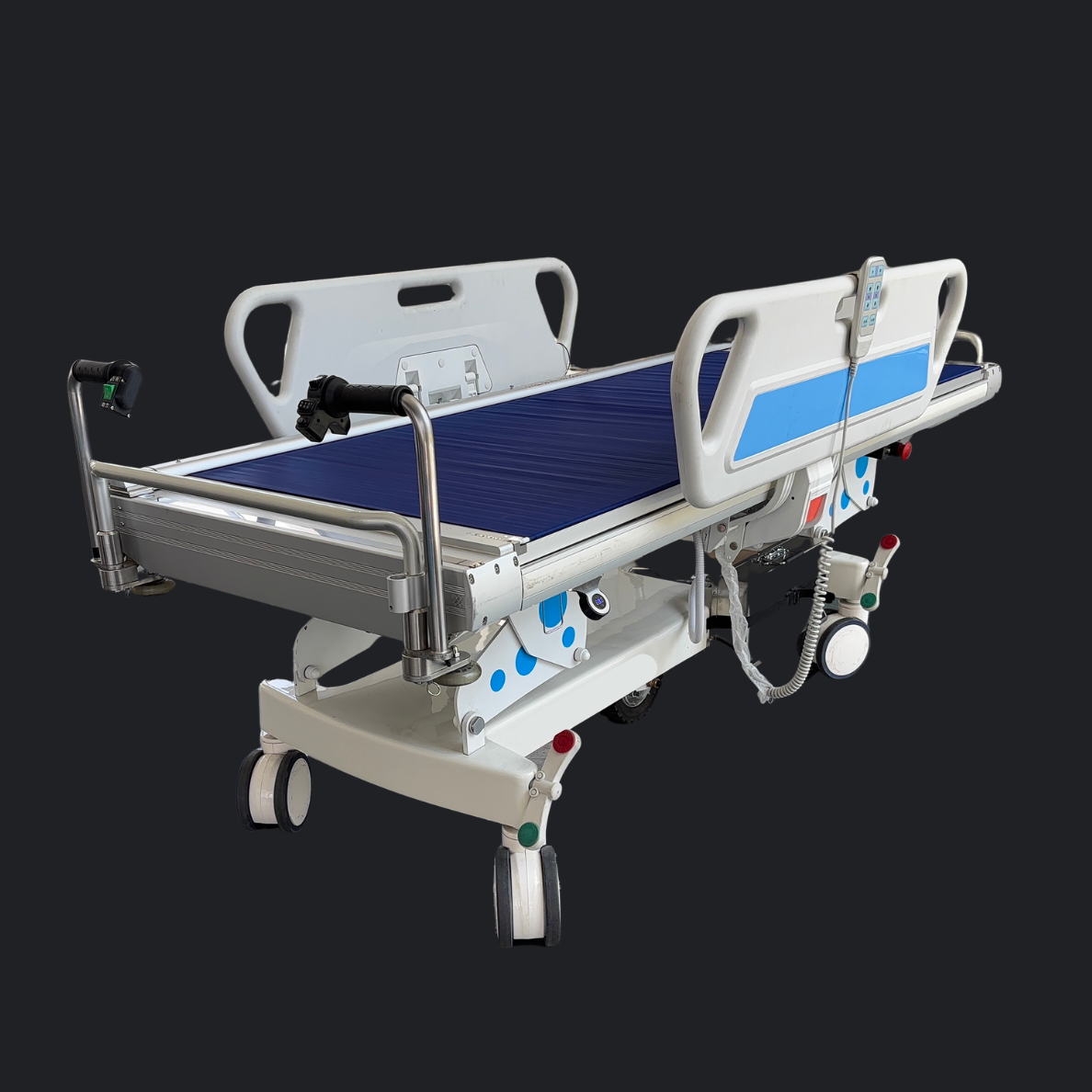
Designed for Your Clinical Workflow
The Vantara Glide is more than a transfer device—it's an integrated platform. We work directly with our manufacturing partner to ensure compatibility with your existing equipment and protocols.
ICU Customizable Transport
Can be configured to meet the specific demands of intensive care and high-acuity environments.
Vital Sign Monitor Compatibility
Equipped with secure mounting for heart rate, ECG, and other essential patient monitoring devices.
Oxygen Equipment Compatibility
Features integrated ports and holders for seamless compatibility with your facility's oxygen delivery systems.
Personalized IV Rack
A fully adjustable intravenous pole that can be customized to accommodate complex infusion setups.
Real-time Sterilization
The design facilitates rapid, effective disinfection before and after patient transport to support infection control.
Emergency Service Package
Includes dedicated storage for essential point-of-care items like vomit bags, wet wipes, tissues, and gloves.
Disposable Sterile Hat Compatible